My Design Process & Deliverables
To come up with a proper solution and design, UX designers use a lot of different research techniques, such as survey, interview, persona, wireframes, and design thinking workshop. Every design process is different based on project goals. Those are some typical processes in my past projects, either for defining a new feature or analyzing existing problems.
Tools to Analysis Problems
Before or after creating a product, the first step is to design a good survey or research to identify the purpose or verify ideas. Through the user interview and survey, we can obtain and collect both qualitative or quantitative data from participates. Then, we analyze collected data and transform it to personas or feedback to answer questions such as do people want the product, can people use the product, and how to generate a better result.
Validating Product Ideas Through User Research
In order to simplify the structure with proper processes, and also promote better cross-functional practices, I would love to map out the possibilities of the product’s full experience. Sometimes, I combine the flow chart with the wireframe to illustrate the user flow, which is the sequence of steps the user needs to take in order to accomplish a task.
“a visual representation of the sequence of steps and decisions needed to perform a process.”
The purpose of the map is to understand and improve the quality of the whole iterative experience. It provides an overall view of the entire journey, the stakeholder can understand what kind of service we need to provide in each stage of the product. It helps to reveal the gaps between users’ actual feelings and current product strategy.
Articulate a big picture of the customer’s path in the system context.
Participatory Design
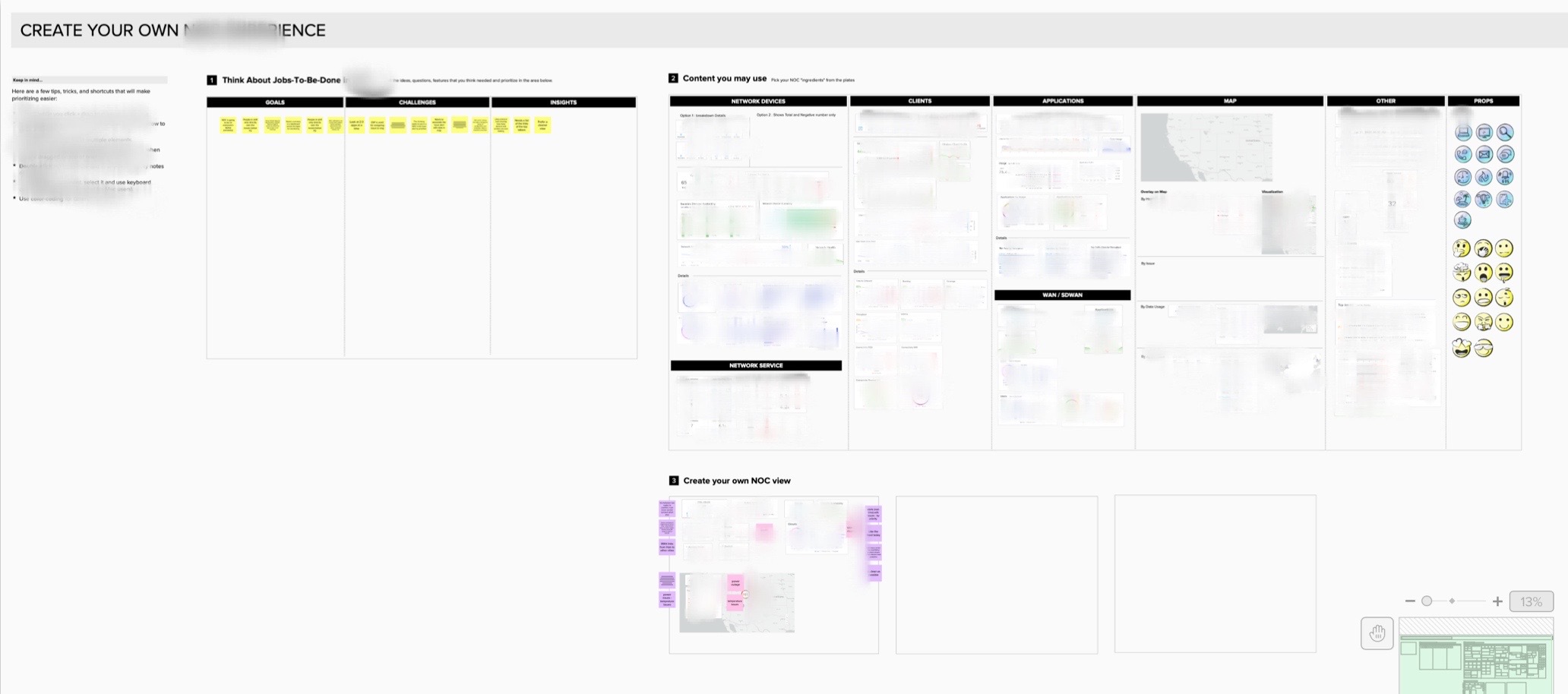
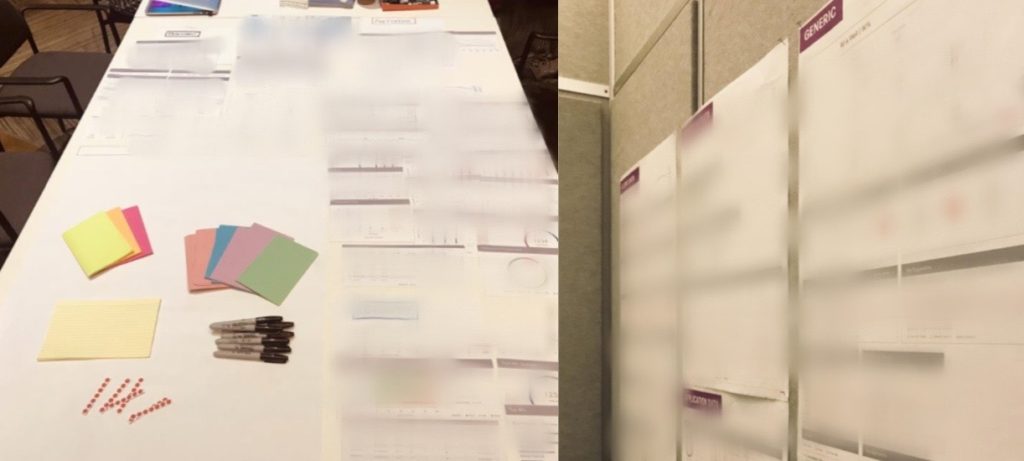
Participatory design is an approach to bring the customers into the design process. Here is an example of co-design a dashboard to monitor network performance during CiscoLive Session.
Articulate the process about how it actually works
We invited stakeholders into the design process, provided a big dashlets library for customers, and let participates pick the dashlets that benefit for their work
Seek a better understanding of their needs
During the session, we required them to say out loud the rationals behind their selection. Such as what challenges they are facing, what's the effort they need to focus on, and what's solution might be ideal to tackle the problems.
Design Thinking (Workshop)
“What is design thinking workshop? It’s a generative research methodology to solve complex problems.It’s a way of using systemic reasoning to explore ideal state from as-is state. (This method is not meant for solving every problem, but optimized for specific cases in the project dynamics)” — Cisco design thinking
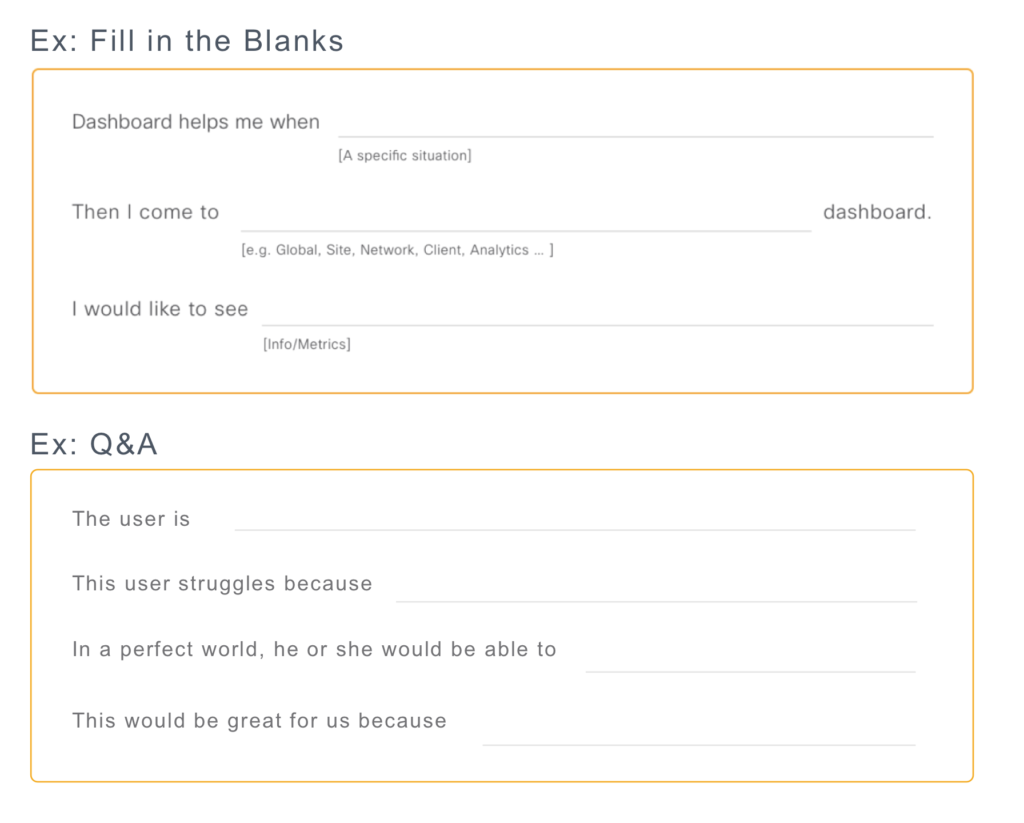
MadLib
A phrasal template word game that prompts the participant to think of scenarios that they work use design for.
Generate wild and diverse ideas
Running the MadLib Game before you have a brainstorm, whiteboard session to get the voice from the end users of the product.
Identify the product story
Clearly defines what your product is, who are the primary users involved in the business problem/opportunity, who may be impacted by this solution.
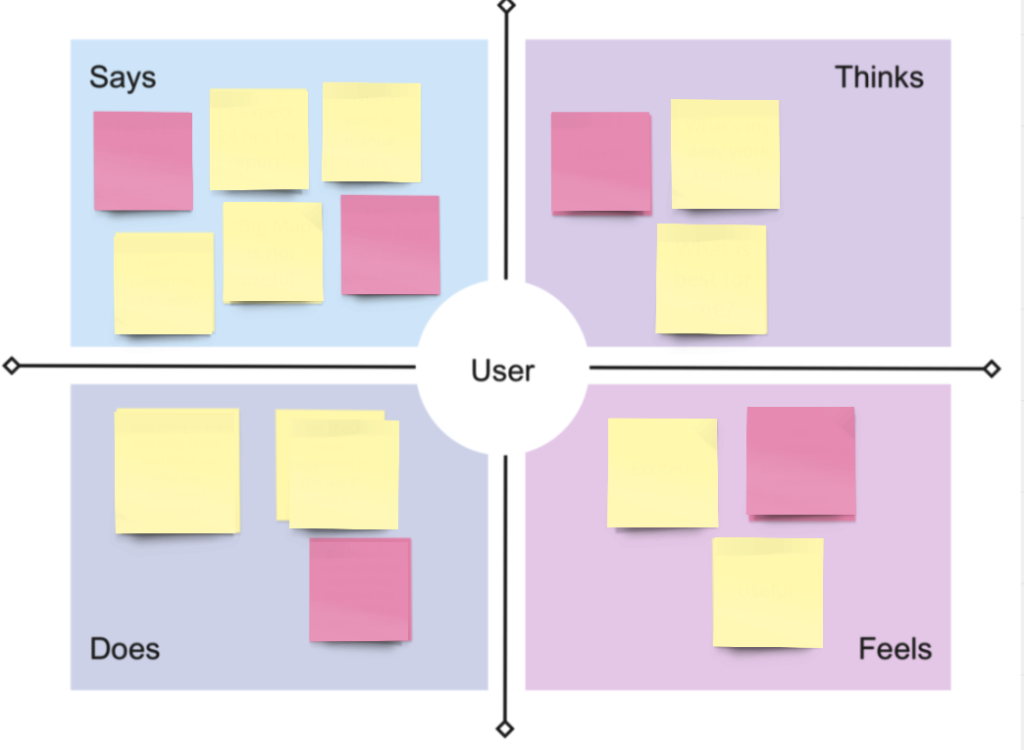
Empathy Mapping
In order to advocate on behalf of the user, the UX designer visualizes user attitudes and behaviors in an empathy map to understand the end-users and prioritize their needs.
Collect and categorize the research notes
1. Draw 4 quadrants: says, does, thinks, and feels.
2. Document observation on sticky notes and place them to the appropriate quadrant of the map.
Cluster notes and annotate questions
1. Use the clustering to facilitate the discussion and get alignment between team members.
2. Note assumptions and questions for later validation.
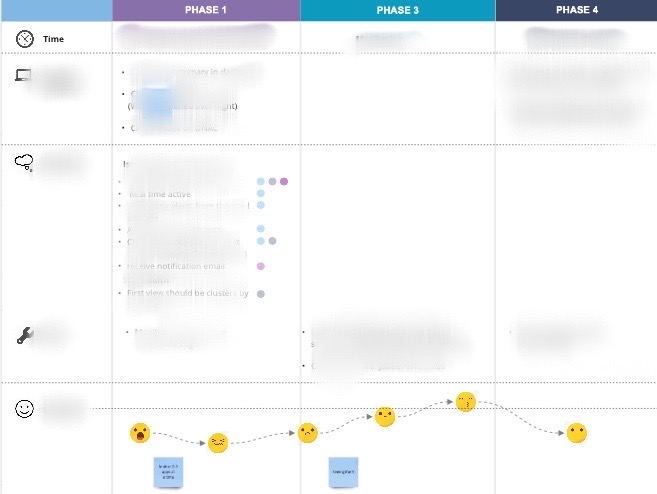
Scenario Map
Scenario map helps us to think about user tasks and the most important touchpoint in the context and system environment. This method can be used at many points, such as ideation, interaction, and usability testing.
Cluster the content, refine the order and phase
Collect the ideas or information, find the key tasks that must be performed or complete in business, and then fit them into scenarios. Write the note or sticky on the wall.
Identify the positive or negative
According to each phase in the journey, the designer use empathy to understand and identify the highs and lows experience of interaction with the product over time.
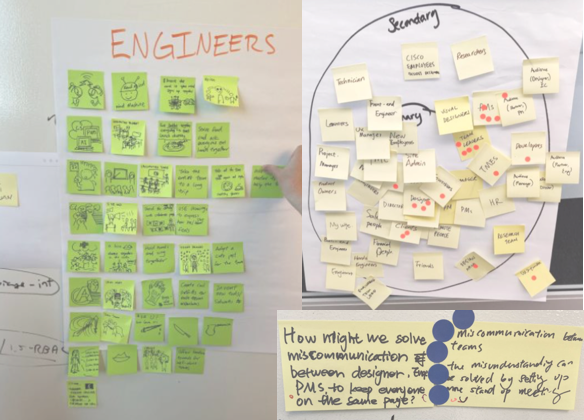
Identify/ Prioritize the Pain Point
Generate and Vote Big Idea
The goal of design is to help the user to solve problems. Therefore, a good experience needs to dive into a specific problem that prospective users are experiencing.
Generate idea
Defined each key interaction and pain-point from user quotes, translate this pain-point to clear goals for the team. Then the team comes up with solutions through brainstorming.
Dot Voting
Dot voting is a simple tool for decision making and priories the item in a group discussion. After voting, the board will present with a group of the cluster to indicate where the majority of votes were placed.
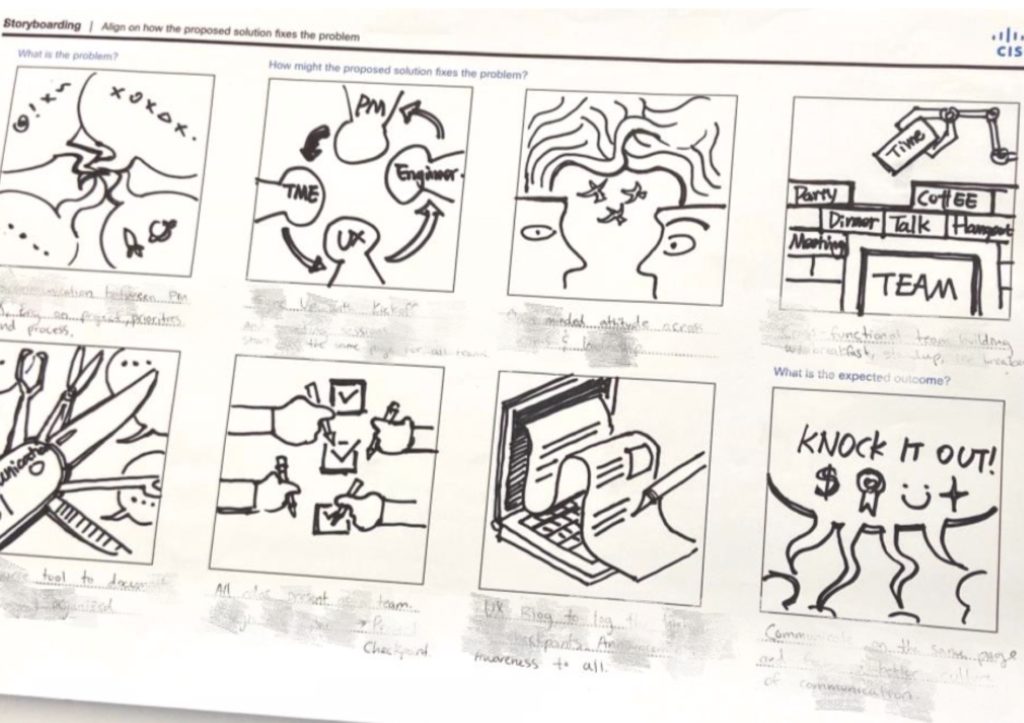
Storyboard Big Idea
The storyboard is a sequential illustration of each scenario and touchpoint during the user experience. It's powerful to illustrate concept to let stakeholders understand it, and align up the ideas in a big team.
Using empathy to visualize users interaction
Understand the flow of users' interaction with the product over time in order to have a clear feeling of what's the really important touchpoint for users.
Evaluate the predicts and explores of ideas
The storyboarding makes designer evaluates the concept before jumping into the detailed wireframe. It also helps to shape the user journey and persona.
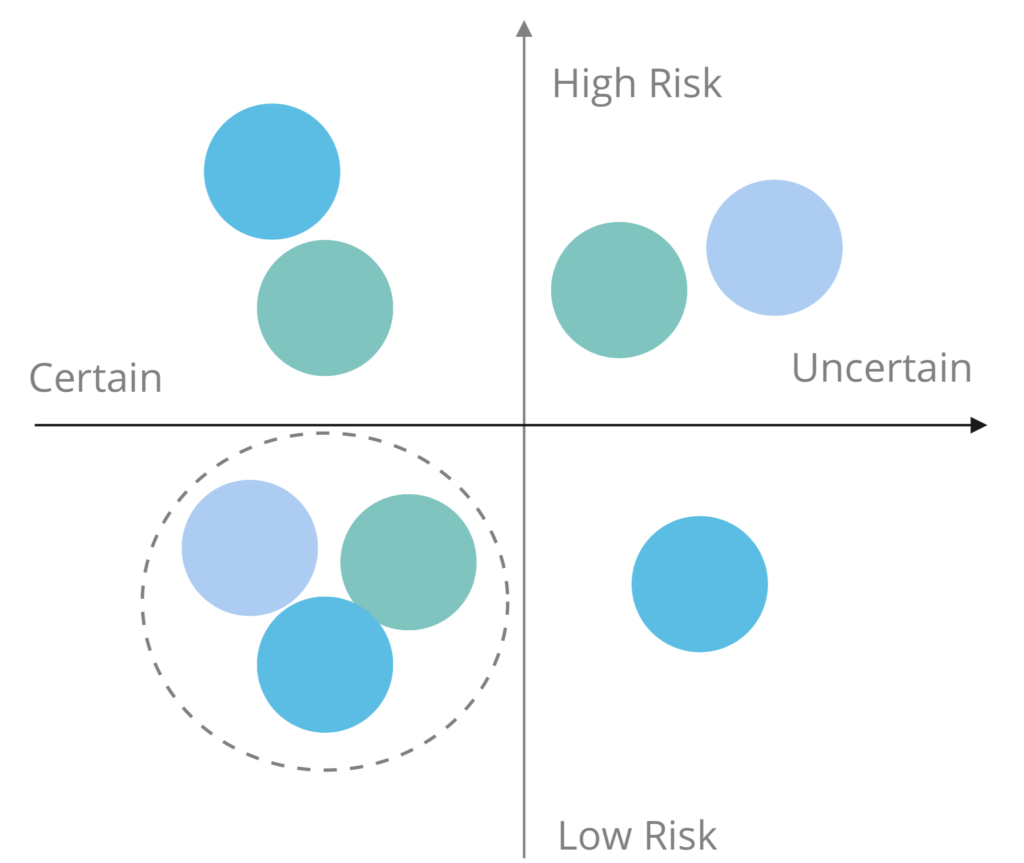
Identify Assumption& Risk and Priority
In order to create a reliable solution and limits the risk of the failure of products, we need to merge the risk management concept into the design thinking concept.
Balance the customers' desired objective and unpredictable outcome
From the UX design perspective, we need to provide a product that truly meets a customer’s needs as close as possible. On the risk management side, we seek to control the uncertainty and risk as lower as possible.
Reference
Nielsen Norman Group. (2017). UX Mapping Methods Compared:A Cheat Sheet . Retrieved from https://www.nngroup.com/articles/ux-mapping-cheat-sheet/
Cisco System, inc. (2018). Getting Started With Cisco Design Thinking. Retrieved from https://www.lightningdesignsystem.com/guidelines/overview/
Cooper, A., Reimann, R., & Cronin, D., & Noessel,C(2014). About face 4: the essentials of interaction design. John Wiley & Sons.4

Thanks for looking! Interesting More……